Showing posts with label allman brothers band. Show all posts

Thursday, September 24, 2015

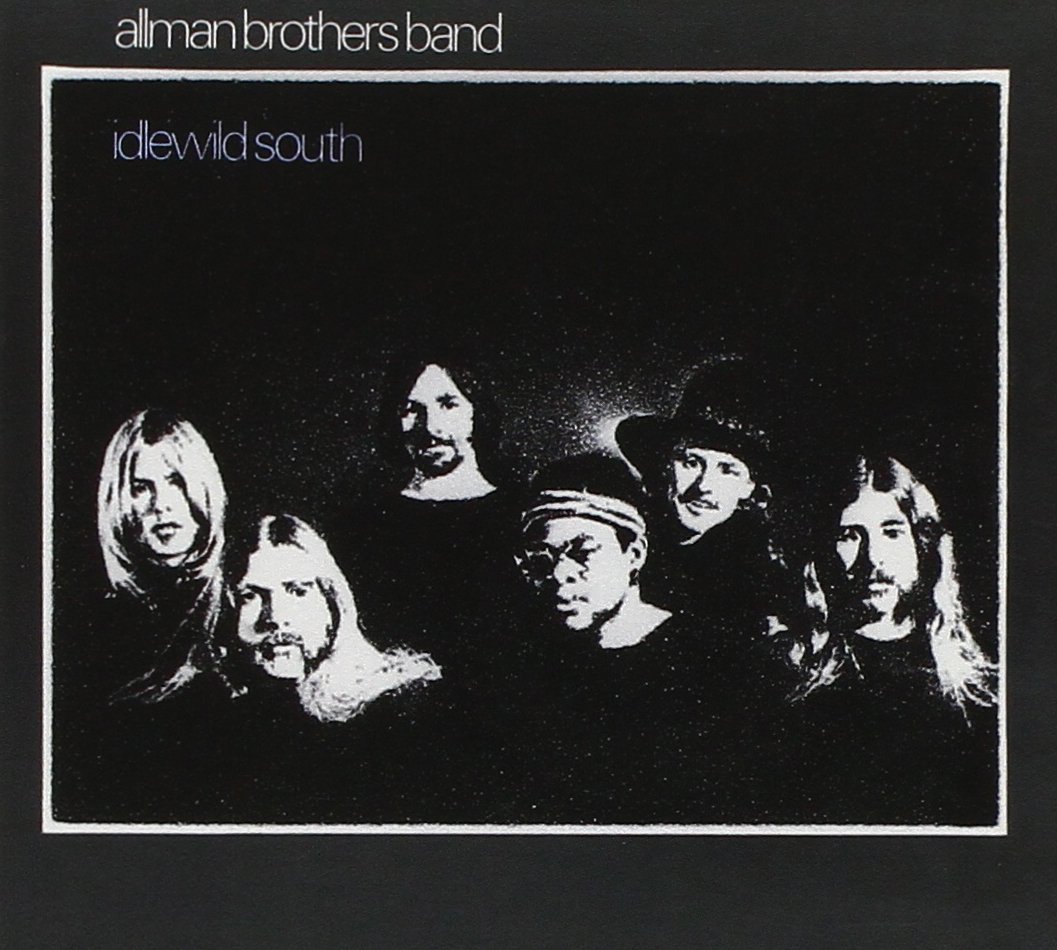
idlewild south


The Allman Brothers Band ran to keep from hiding and left their blues at home to catch this midnight love revival.   Although their self-titled debut had failed to make much of an impact on the charts, the band had continued to win fans one gig at a time with their incomparable live shows.   

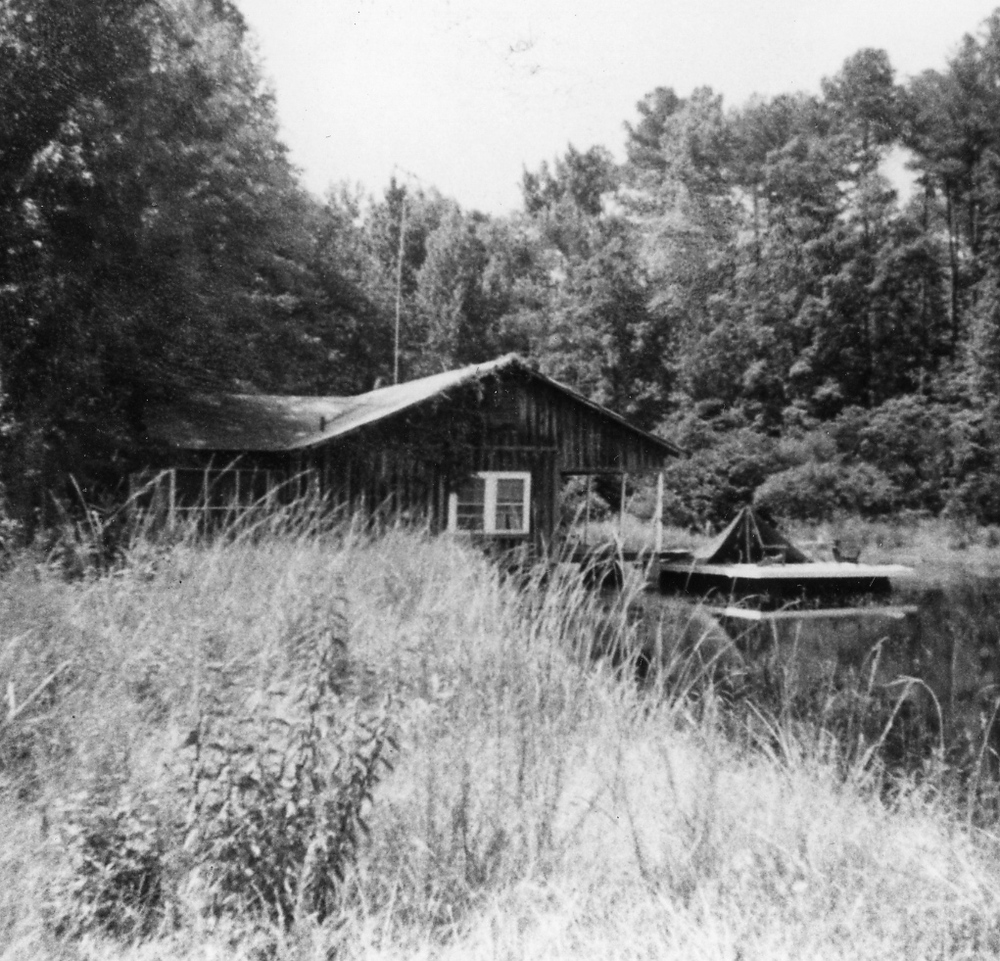
'Idlewild South'  was recorded from February to July of 1970 at Capricorn Sound Studios in Macon, Georgia;   Criteria Studios and Atlantic South in Miami, Florida;  and Regent Sound Studios in New York City during breaks from their extensive tour in which they played five hundred shows in two years.     The title come from the nickname of the cabin that the band rented near Macon where, according to roadie and songwriter Robert Payne, "the brotherhood came to pass...There was a pact made out there around a campfire—all for one and one for all. ... Everybody believed [in the band] 100 percent."


'Idlewild South'  features  Gregg Allman on vocals, organ, and piano;   Duane Allman on slide guitar, lead guitar, and acoustic guitar;   Dickey Betts on lead guitar;   Berry Oakley on bass guitar, vocals on "Hoochie Coochie Man", and harmony vocals on "Midnight Rider";   Jai Johanny Johanson on drums, congas, timbales, and percussion;   and   Butch Trucks on drums and timpani;   with   Thom Doucette adding harmonica and percussion.   With the exception of Joel Dorn helming "Please Call Home", the sessions were produced and engineered by Tom Dowd with the help of engineers Bob Liftin, Howie Albert, Jim Hawkins, and Ron Albert.   Dowd remembers:   "The Allman Brothers needed what I guess you’d call a disciplinarian more than any thing else. First off, it’s unusual for a band to have two drummers. It’s also unusual for a band to have two lead guitar players as good as Duane and Dicky Betts.  Much of what I did was simply ironing out the polyrhythmic confusion that often existed as a result of those two guitars and two drums. Now you can’t just go in there and say to them 'You play this and you play that' you have to put it diplomatically. It would be more like 'Why don’t each of you take turns on that lick, and then that will make room… ', etc ... They had to get on the road to support themselves. They were working 300 days a year. So they would just blow in and do some songs and blow out. That was it — in and out — just like that."


Betts:   "['Idlewild South'] was a little more studio-oriented...Well, it was still pretty live when I recall those songs. We’d set the amps up in the studio just like we did onstage. We’d run the producers crazy [laughs]. Instead of baffling all the amps off, we’d just set up like we do onstage and we’d even stand like we did onstage on a lot of those tunes. “Midnight Rider” was more of a studio cut song."


Gregg Allman:    "There was a great deal of pressure around the second album, man. We were in debt to the record company, and we were touring so much that it was hard to set aside time to even get into the studio. That is why ‘Idlewild South’ was recorded in spurts between Macon, Miami and New York. The good news was that the songs certainly were road-tested — I mean, we were on the road for 300 days in 1970, man — and the better news was Tom Dowd was behind the board this time. ‘Idlewild’ did much better than our first album; I believe it broke into the Top 30, but I still didn’t believe we were going to make it. I was always the Doubting Thomas of the bunch, and I don’t think I was convinced about the Allman Brothers until ‘Fillmore East’ hit – that one removed all doubt!"


Trucks: "For a long time our only mode of travel was an Econoline van. Eleven of us, with nine sleeping in the back on two mattresses. The only way we made it was with a great big old bag of Mexican reds and two gallons of Robitussin HC. Five reds and slug of HC and you can sleep through anything...Phil Walden had complete faith in us, and I’ll respect him forever for that. I think he sunk about $150,000 in us. He was close to bankruptcy a lot of the time and Atlantic kept telling him we didn’t have a chance. But during that first three years, Phil never once tried to change us."


Duane Allman:   "There's a lot of different forms of communication, but music is absolutely the purest one...Develop your talent, man, and leave the world something. Records are really gifts from people. To think that an artist would love you enough to share his music with anyone is a beautiful thing."


'Idlewild South' peaked at number thirty-eight on the US album chart.  


http://allmanbrothersband.com/


"Revival"


"Midnight Rider"


"In Memory of Elizabeth Reed"


'Idlewild South' 
full album:

https://www.youtube.com/playlist?list=PLd0R2oRBA-fXsLLp9wuEFudB7eUcztlwe


All songs written by Gregg Allman, except where noted.

Side one
"Revival" (Dickey Betts)  – 4:05
"Don't Keep Me Wonderin'" – 3:31
"Midnight Rider" (Gregg Allman, Robert Payne)  – 3:00
"In Memory of Elizabeth Reed" (Dickey Betts)  – 6:56
Side two
"Hoochie Coochie Man" (Willie Dixon)  – 4:57
"Please Call Home" – 4:02
"Leave My Blues at Home" – 4:17


Tuesday, November 4, 2014

the allman brothers band


The Allman Brothers Band found a new way to play the blues with the double-guitar double-drum sound of this improvisational electric jazz scourging.  Brothers Duane and Gregg Allman grew up in Daytona, Florida and played together in various groups from the Escorts to The Allman Joys.  It was in St. Louis that they were discovered and signed to Liberty Records.  They moved to Los Angeles and recorded two albums as Hour Glass.  Duane went out to Muscle Shoals, Alabama where he became a session guitarists At FAME Studios.  Gregg decided to stay in California workin on a solo album for Liberty, who had threatened to sue the group for breaking up.  Duane became disenchanted with session work and started jamming with various musicians developing a new sound that involved two guitarists and two drummers.  He joined with Jai Johanny Johanson (Jaimoe) and Berry Oakley in Jacksonville, Florida.  Music mogul Phil Walden worked with Jerry Wexler of Atlantic Records to sign Duane's new band to the Atlantic subsidiary he was starting, Capricorn Records.  The group also included Butch Trucks, Dicky Betts,  and Reese Wynans; but Duane really wanted his brother to be the singer.  Gregg joined and replaced Wynans and the Allman Brothers Band was born.  The group relocated to Macon, Georgia where the new label was being set up.  They worked on new material and played constantly for the next few months before heading to New York to record their self-titled debut album.  The sessions were produced and engineered over two weeks by Adrian Barber at Atlantic Studios and featured Gregg Allman on vocals and organ;   Duane Allman on slide guitar and lead guitar;  Dickey Betts on lead guitar;  Berry Oakley on bass guitar and backing vocals;  Jai Johanny Johanson on drums and congas;  and Butch Trucks on drums and percussion.  

Betts considers:   "Before we went into the studio, we had a very clear idea of what we were all trying to do musically and that it was unique, totally different from anything else that anyone was playing...From the earliest rehearsals, we all had the same mind-set."

'The Allman Brothers' only charted at number one hundred and eighty-eight; but it set the stage for the success that was to come.  Trucks remembers:   "The whole experience of making the first album was absolutely wonderful. I felt comfortable in the studio, having recorded a bunch before, as did we all, and the music was great. We had played these songs so much and we were all just busting to get them down on record."


http://allmanbrothersband.com/


"Whipping Post"


'The Allman Brothers' 
full album:


All songs written by Gregg Allman, except where noted.

Side one
"Don't Want You No More" (Spencer Davis, Edward Hardin)  – 2:25
"It's Not My Cross to Bear"  – 5:02
"Black Hearted Woman"  – 5:08
"Trouble No More" (McKinley Morganfield aka Muddy Waters)  – 3:45
Side two
"Every Hungry Woman"  – 4:13
"Dreams"  – 7:18
"Whipping Post"  – 5:17


Tuesday, February 28, 2012

eat a peach


The Allman Brothers Band celebrated the spirit of the recently departed Duane with this double album of songs recorded with and without him. Duane Allman had been killed in a motorcycle accident during the recording sessions. The album mixed live material with studio tracks recorded before and after Duane's death. The title came from one of Duane's last interviews, when asked what he was doing to help the revolution. Duane responded, "There ain't no revolution, it's evolution, but every time I'm in Georgia I eat a peach for peace." 'Eat a Peach' went to number four in the US and was certified platinum.


Duane once said:   "There ain't no revolution, only evolution, but every time I'm in Georgia I eat a peach for peace."


'Ain't Wastin' Time No More' was the first song Gregg Allman wrote after the death of his brother.

"Last Sunday morning, the sunshine felt like rain.
Week before, they all seemed the same.
With the help of God and true friends, I come to realize
I still had two strong legs, and even wings to fly.
And oh I, ain't wastin time no more
'Cause time goes by like hurricanes, and faster things."


Gregg Allman says about 'Melissa': "I wrote that song in 1967 in a place called the Evergreen Hotel in Pensacola, Florida. By that time I got so sick of playing other people's material that I just sat down and said, 'OK, here we go. One, two, three - we're going to try to write songs.' And about 200 songs later - much garbage to take out - I wrote this song called 'Melissa.' And I had everything but the title. I thought: 'But back home, we always run... to sweet Barbara' - no. Diane...? We always run... to sweet Bertha.' No, so I just kind of put it away for a while. So one night I was in the grocery store - it was my turn to go get the tea, the coffee, the sugar and all that other s--t... and there was this Spanish lady there and she had this little toddler with her - this little girl. And I'm sitting there, getting a few things and what have you. And this little girl takes off, running down the aisle. And the lady yells, Oh, Melissa! Melissa, come back, Melissa!' And I went, 'Oh - that's it.' I forgot about half the stuff I went for, I went back home and, man, it was finished, only I couldn't really tell if it was worth a damn or not because I'd written so many bad ones. So I didn't really show it to anybody for about a year. And then I was the last one to get to Jacksonville - I was the last one to join the band that became the Allman Brothers. And my brother sometimes late at night after dinner, he'd say, 'Man, go get your guitar and play me that song - that song about that girl.' And I'd play it for him every now and then. After my brother's accident, we had 3 vinyl sides done of Peach, so I thought well we'll do that, and then on the way down there I wrote "Ain't Wastin' Time No More." I wrote that for my brother. We were all in pretty bad shape. I had just gotten back from Jamaica and I was weighing at about 156, 6-foot-1-and-a-half - I was pretty skinny. So we went back down there, got in the studio and finished the record. And the damn thing shipped gold."

"Crossroads, seem to come and go, yeah.
The gypsy flies from coast to coast,
Knowing many, loving none,
Bearing sorrow, having fun.
But, back home he'll always run,
To sweet Melissa. "


Recorded live at the Fillmore East, 'Mountain Jam' was based on Donovan's single 'There Is a Mountain'. It was originally spread out over two sides of the album.


'Blue Sky' was written by Dickey Betts. The first solo is Duane and the second solo is Dickey. Betts says, "I think 'Blue Sky' was one of the last things we did. We did all those songs in about three weeks in a studio in Miami, and then we decided to take a break because Tommy Dowd had something else he had to do. Anyway, we decided to take a few weeks off, and then Duane was killed. After everybody had a chance to get over what was happening, we came back in and finished it a few months later."

"Walk along the river, sweet lullaby, it just keeps on flowing,
It don't worry 'bout where it's going, no, no.
Don't fly, mister blue bird, I'm just walking down the road,
Early morning sunshine tell me all I need to know
You're my blue sky, you're my sunny day.
Lord, you know it makes me high when you turn your love my way,
Turn your love my way, yeah.
Good old Sunday morning, bells are ringing everywhere.
Goin' to Carolina, it won't be long and I'll be there"


'Eat a Peach' 
full album


Side one
"Ain't Wastin' Time No More" (Gregg Allman)  – 3:40
"Les Brers in A Minor" (Dickey Betts)  – 9:03
"Melissa" (Gregg Allman, Steve Alaimo)  – 3:54
Side two
"Mountain Jam" (live) (Donovan Leitch, Duane Allman, Gregg Allman, Dickey Betts, Berry Oakley, Butch Trucks, Jai Johanny Johanson)  – 19:37*
Side three
"One Way Out" (live) (Elmore James, Marshall Sehorn, Sonny Boy Williamson II)  – 4:58
"Trouble No More" (live) (Muddy Waters)  – 3:43
"Stand Back" (Gregg Allman, Berry Oakley)  – 3:24
"Blue Sky" (Dickey Betts)  – 5:09
"Little Martha" (Duane Allman)  – 2:07
Side four
"Mountain Jam" (continued; live) – 15:06*


Saturday, July 16, 2011

at fillmore east


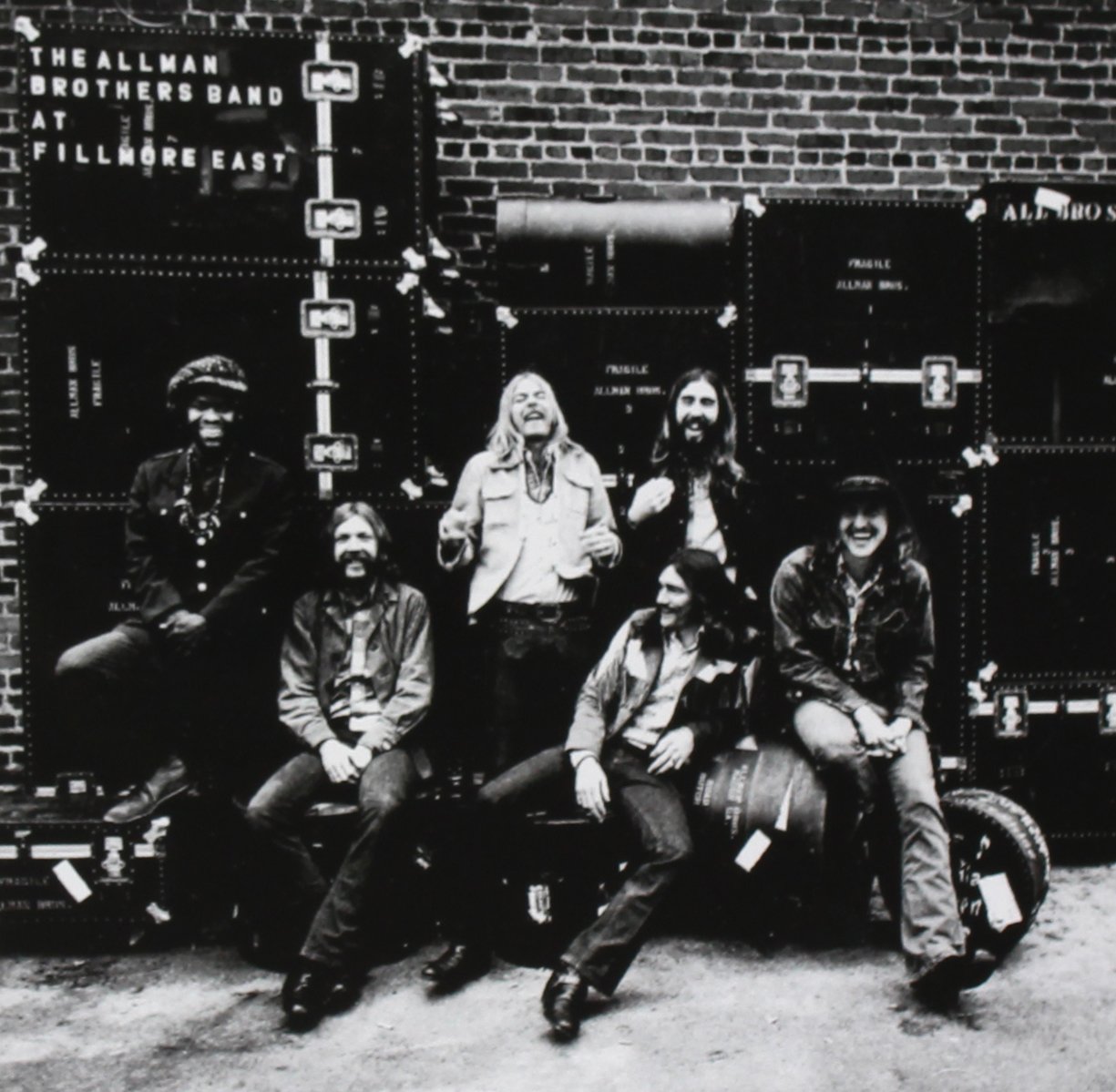
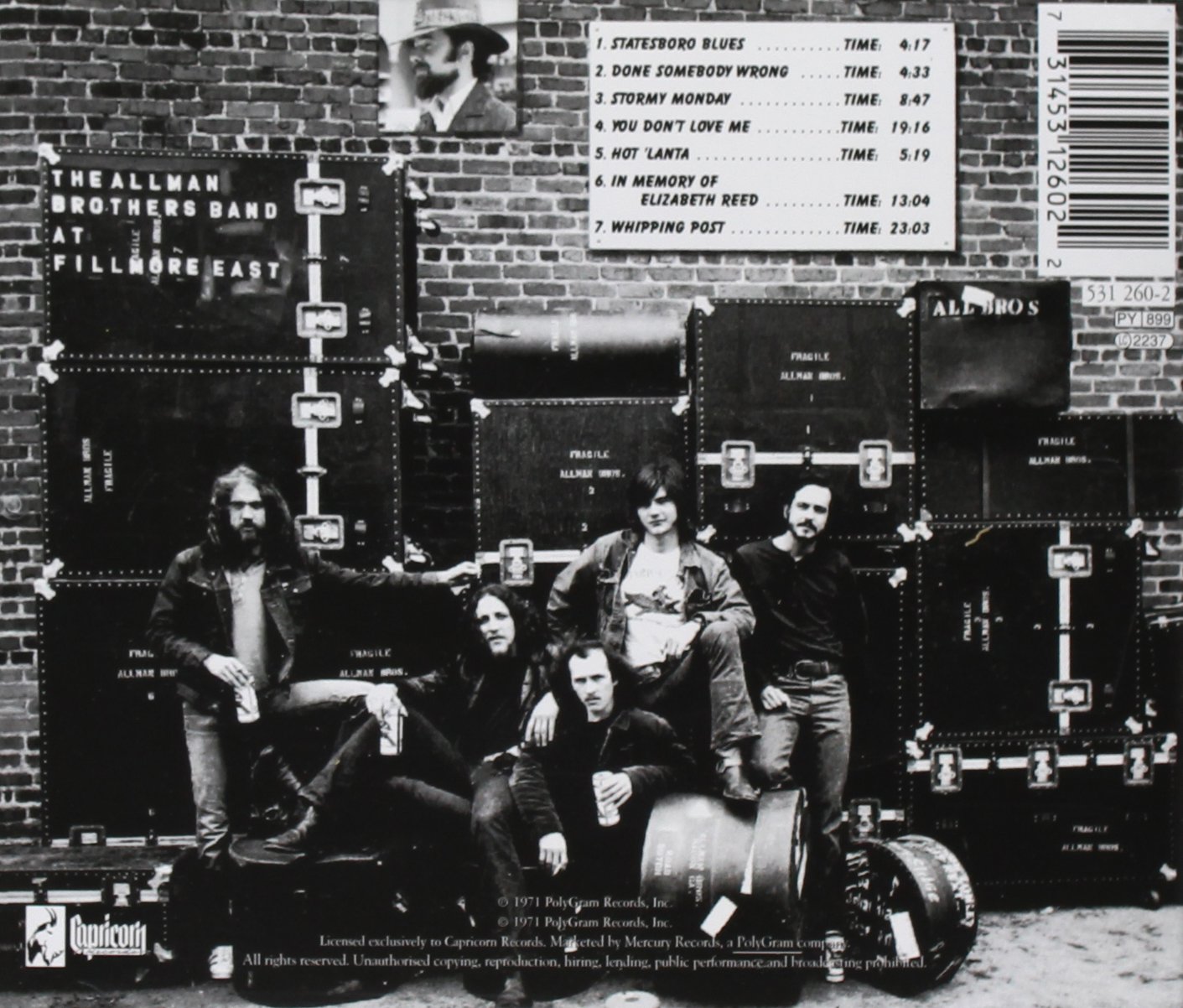
The Allman Brothers Band kicked out the jams and had their commercial breakthrough with one of the greatest live albums in rock history. The double-album 'At Fillmore East' was taken from four shows at the Fillmore East in New York City during March of 1971. They blended blues, country, jazz, and gospel in a series of magical performances that feature the virtuoso guitar work of Duane Allman and Dickey Betts, Gregg Allman on piano and organ, Berry Oakley on bass, with drum and percussion duties shared by Jai Johanny Johanson and Butch Trucks.   The album went to number thirteen in the US and was certified gold before the year was out.


Duane Allman would express:  "One thing I can say about our band is this. If you got something good to lay on us, enlighten us, but if you got something bad to lay on us, you can get your teeth knocked clean down your throat man. Dangerous people. Lovely people."


http://allmanbrothersband.com/


 9/23/1970    Fillmore East, New York, NY


Setlist:

0:00:00 - Don't Keep Me Wonderin'
0:04:06 - Dreams
0:13:55 - Whipping Post


'Statesboro Blues' was written by Blind Willie McTell about Statesboro, Georgia.


This epic version of Gregg Allman's 'Whipping Post' takes up the entire fourth side of the album.


 'At Fillmore East' 

full album:


Side one

"Statesboro Blues" (Blind Willie McTell) – 4:17
"Done Somebody Wrong" (Clarence Lewis, Bobby Robinson, Elmore James) – 4:33
"Stormy Monday" (T-Bone Walker) – 8:44
Side two
"You Don't Love Me" (Willie Cobbs) – 19:15 ("Joy to the World" medley in the ending portions)
Side three
"Hot 'Lanta" (Duane Allman, Gregg Allman, Dickey Betts, Butch Trucks, Berry Oakley, Jai Johanny Johanson) – 5:17
"In Memory of Elizabeth Reed" (Dickey Betts) – 13:04
Side four
"Whipping Post" (Gregg Allman) – 23:03


6/27/1971 - Fillmore East - New York, N.Y.
full concert 


1. Statesboro Blues
2. Don't Keep Me Wonderin'
3. Done Somebody Wrong
4. One Way Out
5. In Memory of Elizabeth Reed
6. Midnight Rider
7. Hot 'Lanta
8. Whipping Post
Encore:
9. You Don't Love Me