Showing posts with label art pop. Show all posts

Tuesday, March 15, 2016

the one and only PPL MVR


The One and Only PPL MVR revelled in revealing their yeti rock regression in this murky masked maneuver.   The group emerged from "the all encompassing oneness" as if from a cave with this frothy autotuned affirmation of their ability to affect activity.  Their contract with Elektra leads some to speculate that they are a famous band in disguise.  There is some circumstantial evidence that suggests that the group may consist of members of the band Brand New. 


http://www.pplmvr.co/


https://www.youtube.com/watch?v=EJzLKQzFFvQ


Turn it up, gonna touch some salt, gonna swear to me or until it cleans the clock, when my second hand strikes a five leaf clover, goes the hangover, to the undercross
Step to the right, Walk to the left, When you get off BTR WTCH YR STP
I'm a PPL MVR, It's a cold producer, I'm a PPL MVR, It's a Red Medusa
IM A PPL MVR
Time to use all the tools in the shed, There's a Monkey Wrench and a creep in drag, like a bobble head saying yes yes yes, gotta acquiesesce to the knucklehead
Step to the right, Walk to the left, When you get off BTR WTCH YR STP
I'm a PPL MVR, It's a cult producer, I'm a PPL MVR, It's a Red Medusa
IM A PPL MVR
Step to the right, walk to the left, When you get off BTR WTCH YR STP
I'm a PPL MVR, It's a cold producer, I'm a PPL MVR, It's a Red Medusa
OWWW
I'm a PPL MVR, It's a fool producer, I'm a PPL MVR, It's a Red Medusa


The One and Only PPL MVR
full EP

1   People Mover   2:57
2   Mad   3:23
3   Annie   3:13
4   Day of the Dead   2:48
5   Let's Take This Outside   1:46

Friday, March 4, 2016

young life


Warren Austin makes the rain and keeps rolling with the times with this mangy miracle.  The Birmingham artist and musician spent a decade recording demos of dozens of songs from which he culled the fourteen tracks that comprise his debut album.  Austin composed, arranged, performed, and produced all of the songs for 'Young Life'.  

The styles range from the gothic grunge thunder of "You Make the Rain" to the wistful folk ramblings of "Spit in the Ocean" to the to the rockabilly grooves of "Think About You" to the goodtimey singalong of "Rollin' With the Times" to the artsy atmospheric angst of "Don't Throw Your Young Life Away".  He pokes a bit of fun ("keep walkin'") at Johnny Depp and pays tribute ("you're in my heart, whatever") to the departed Leonard Nimoy; but, perhaps the most powerful song is the 'Grand Theft Auto' inspired "I Wanna Shoot Someone, Daddy".  In the song, he takes the perspective of a child that has acquired a taste for violence from playing the video game and is ready ("I wanna know what it feels like to hold a real gun in my hand") to take it to the next level.  


'Young Life' is the first of several releases that are in the works for this prolific artist, who seems to ooze music.  Gather some up for yourself and fill up your big belly.  


https://itunes.apple.com/gb/album/young-life/id1091348190

https://fofumandtheheavyset.bandcamp.com/releases

https://soundcloud.com/fofum


Don't Throw Your Young Life Away


Spit in the Ocean


You Make the Rain


'Young Life'

1.  you make the rain
2.  where the ghosts all plug in 
3.  don't throw your young life away
4.  mangy dog
5.  put me back to sleep
6.  keep rollin' with the times
7.  spit in the ocean
8.  think about you
9.  johnny depp keeps walkin'
10. in a long line
11. mister leonard nimoy
12. i wanna shoot someone, daddy 
13. i can't follow where you go
14. amy's eyes


Wednesday, November 25, 2015

the dream academy


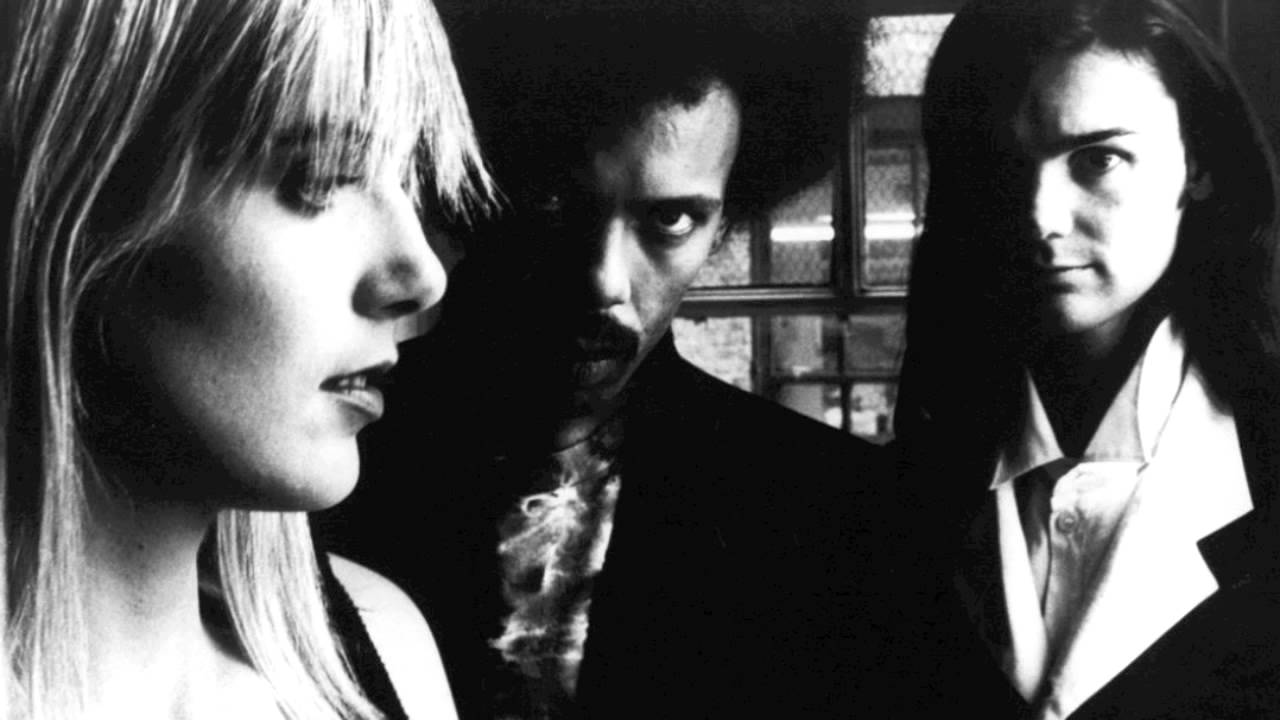
The Dream Academy inculcated the love parade in places on the run with sophisticated symphonic psychedelic soundscapes sketching life in a northern town.  The trio came together in London with Gilbert Gabriel and Nick Laird-Clowes playing together in various groups and Kate St. John joining later after a chance meeting at a party.  

Gilbert Gabriel:     "When I first met Nick, it was after a long day of auditioning for several bands in London. I had previously read in a book called The Reader's Digest that suggested that the more people you meet the more chance you have of manifesting your dreams (pretty obvious really). So I decided to triple my efforts and work in several bands and keep checking out new options. After a long day of auditions and feeling pretty tired and hungry, I eventually met Nick rehearsing with his band The Act in a rehearsal studio in London near the torture museum! I immediately liked the melody and harmony of his band as they had three-part harmonies although I felt it lacked keyboards and should be a little bit more psychedelic. Anyway, the rest is history. We did some great gigs in London and a couple of tours in Spain but it eventually broke up and Nick and I plotted another destiny. With the help of David Gilmour, we were able to produce some "original-sounding" demos that we also used for backing tracks and started performing as a duo called Politics of Paradise in alternative clubs in London (like the Titanic and the Language Lab). Once we appeared on stage after two naked strippers came off! There were classical violinists; a guy named Tom Dixon (became a leading Ikea furniture designer) that welded furniture on stage and a band called Funkapolitan hanging around. It was like a psychedelic version of CBGB's but in London! Nick and I shared the same youthful enthusiasm for experimentalism and the love of all that was psychedelic...Nick and I shared a similar creative space and wished to explore all the different possibilities of light, sound, cinematic backdrops, etc. Whereas Nick had learned his craft by being in the thick of the music industry since the 1970s with his three-part harmony group Alfalpha and I brought to the table an artistic "wackiness" inspired by many psychedelic nights in the depths of experimental Devon as well as an informed cultural input that was influenced by more utopian ideals...Nick and I used to gig under the name of Politics of Paradise that was inspired by R.D. Laing's title of one of his psychotherapy books called The Politics of Experience and the Bird of Paradise (he was the guy that tried to cure Syd Barrett when he lost it after too many acid trips). The Dream AcademyI had read The Glass Bead Game that revolved around a special game played after many years of serious study of the arts, science etc. and also a poem called The Dream House that prompted me to write down the words "The Dream Academy". I think we had both decided Politics of Paradise didn't really feel right so I came up with another name."


Kate St. John:     "The Ravishing Beauties did a few sessions for Radio One; John Peel, who called us the Very Lynns of the Eighties, and also for John Walters. I'd also done sessions for other people on the oboe. I was sad when the Ravishing Beauties split up because by then I'd got hooked into that sort of music and didn't know how to find another band who'd want an oboe player. However, about a year later I met Nick (the singer of the Dream Academy) and it turned out he and Gilbert were looking for people who played 'weird' instruments."

Nick Laird-Clowes:   "I had met Gilbert Gabriel, he'd been in the last incarnation of The Act after the album and had come with us on tour. And on tour, he played me Erik Satie and things like that, and he said, “I think you're too focused on the Beatles.” And this isn't something he said later. He said it at this point: “You're too focused on Beatles-type things. There's another world. Listen to all of this amazing music!” And he played me Ravel and things, different types of music. So he and I started working together, and for the first time I started co-writing songs. He had bits of music, and we were really into an arty, experimental vibe where we'd try anything. And the rest of the band in The Act were horrified. They said, 'You don't need him! For fuck's sake, man, the songs are great!' But I liked what was happening with him, and that we were thinking in a different way. So we just didn't do anything for a year. We just tried to find our own voice. And along the way we met Kate St. John...First of all, she was devastatingly beautiful. And then she played in the Ravishing Beauties, and they were a band I'd read about in the NME, and…they were cool! I mean, they'd been supporting The Teardrop Explodes and things! So I said, 'Oh, yeah, I know about you. I'm working with this guy, and we want to use classical instruments. Is there any chance you could come and rehearse with us?' And she said, 'Of course! When?' I said, 'Well, we're working tomorrow.' She said, 'I'll come up with you on the train.' And it took hours and hours, and we had some of these ramshackle guys - the sitar player and the clarinetist - and she heard all that, and then we played “Life in a Northern Town” as it was, which was still called “The Morning Lasted All Day” in that incarnation. And when we left, she said, 'I know other players who are much better than those guys, and I'll introduce you to them.'  And she introduced me to Adam Peters, who went on to score Ocean Rain for Echo and the Bunnymen, and these other people she went to college with, and soon we were working with them. So that was a very happy and lucky thing, because then I started to hear what she did, and she took up piano accordion quite quickly, and I thought, 'If she sings with me, that's one thing, and if she plays piano accordion, that's another amazing thing, and then she plays the oboe…'  I started always figuring her into arrangements, vehicles that would work with her using the most possible...We found that we had this...thing. And I suddenly thought, 'Nobody is playing acoustic guitar.' You could pick up a good acoustic guitar for nothing. So I thought, 'Well, I'm going back to acoustic guitar.' And these orchestral instruments… The synths could be played to sound like strings, and then add Kate to that with her wonderful real oboe sound, and add my acoustic guitar to that, and then use drum machines for drums, and then we started adding tympani and all these other things. And at first I said, 'My God, this sounds like Phil Spector!' But then I went, 'No, this sounds like Pet Sounds!' And nobody else was doing it at that point.   It was an easy thing for us to just add the classical instrument sound. People had used classical instruments to make their psychedelic masterpieces, but we could do it because technology allowed it, and when we came out with our album, not only did we have this new sound which wasn't what was going on at all, but we also had not bothered to have our hair cut in the way that everyone had at time. [Laughs.] They all had this kind of rockabilly hair cut, even if they were doing the white boy funk. So we went with our kind of more hippie-ish look, which was almost a punk stance, because hippies were ever so out. And we didn't oAverdo it. It was just how we naturally were. And at first everyone was really negative about us, but then we started playing these nightclubs after bands who were playing funk and other bands who were around at the time. People like Mick Jones and the Bunnymen would come see us, and we suddenly realized, “Hey, we're doing it our own way!” And that was the biggest lesson for me: if you can find your own voice, it's the only way, really."


Pink Floyd's David Gilmour produced the sessions for their eponymous debut  with  Gilbert Gabriel on keyboards and vocals;   Nick Laird-Clowes on guitars, harmonica, and vocals;  Kate St. John and piano, tenor sax, oboe, cor anglais, accordion, and piano-accordion;     with    Gary Barnacle on tenor saxophone;   Dave DeFries on trumpet;   Peter Buck on guitars;   David Gilmour on guitars for "Bound to Be" & "The Party";   Greg Dechert on Hammond organ;   Mickey Feat, Pino Palladino, and Guy Pratt on bass;   Chucho Merchan on double bass;   Tony Beard, Bosco DeOliveira, Luis Jardim, Ben Hoffnung, Jake LeMesurier, and Dave Mattacks on drums and percussion.  When the album was complete, Alan Tarney was brought in to rework the demo of "The Love Parade".  

'The Dream Academy' matriculated to number fifty-eight in the UK and and twenty in the US.   


http://www.nicklairdclowes.com/


http://gilbertgabrielmusic.com/


http://www.katestjohn.co.uk/


"Life in a Northern Town" reached number fifteen in the UK, nine in Ireland, seven on the US pop and mainstream rock charts, and number two on the US adult contemporary chart. Gabriel: "I remember this song emerging gradually from the ether in autumn when I was living in Southgate in a shared house with other students. I was endlessly experimenting with different guitar chord shapes higher up the guitar fretboard on a guitar with only five strings. Eventually, I found two chords that seemed to achieve a sense of consonance that seemed to mesmerize me. Nick then learned it and came up with a lower inversion that I embellished with a colorful chord progression played on the Solina synthesizer. Nick and I would then sing various chants over these chords inspired by a library tape of some African children I asked my girlfriend to borrow from her college library. The idea was to "re-conjure" the 60s and more idealistic times through the visual imagery of the verses that were fused with a chant that sounded universal. Hence the reference to The Beatles and JFK that became the axiom that we would build it around as well as the massive chant. We consciously wanted to create a song that had a wide demographic appeal but communicated something honest, beautiful and universal – a song that could appeal to children, adults and grandparents. I think we achieved this."


A Salvation Army band played
And the children drank lemonade
And the morning lasted all day, all day
And through an open window came
Like Sinatra in a younger day
Pushing the town away, ah

Ah hey, ma ma ma
Life in a northern town

They sat on the stony ground
And he took a cigarette out
And everyone else came down to listen
He said, "In winter 1963
It felt like the world would freeze
With John F. Kennedy and the Beatles"

Ah hey, ma ma ma
Life in a northern town
Ah hey, ma ma ma
All the work shut down

The evening had turned to rain
Watch the water roll down the drain
As we followed him down to the station
And though he never would wave goodbye
You could see it written in his eyes
As the train rolled out of sight, bye-bye

Ah hey, ma ma ma
Life in a northern town
Ah hey, ma ma ma
Life in a northern town


"The Love Parade"  


"This World"


"The Edge of Forever" was featured in the John Hughes film 'Ferris Bueller's Day Off' 


'The Dream Academy'
full album:


1. "Life in a Northern Town"   Laird-Clowes, Gabriel 4:19
2. "The Edge of Forever"   Laird-Clowes, Gabriel 4:23
3. "(Johnny) New Light"   Laird-Clowes, Gabriel 4:23
4. "In Places on the Run"   Laird-Clowes, Gabriel 4:27
5. "This World"   Laird-Clowes, Gabriel Gilmour, Laird-Clowes, Nicholson 5:07
6. "Bound to Be"   Laird-Clowes, Gabriel 3:08
7. "Moving On"   Laird-Clowes, Gabriel 5:14
8. "The Love Parade"   Laird-Clowes, Gabriel 3:47
9. "The Party"   Laird-Clowes 5:07
10. "One Dream"   Laird-Clowes 2:32


Friday, November 13, 2015

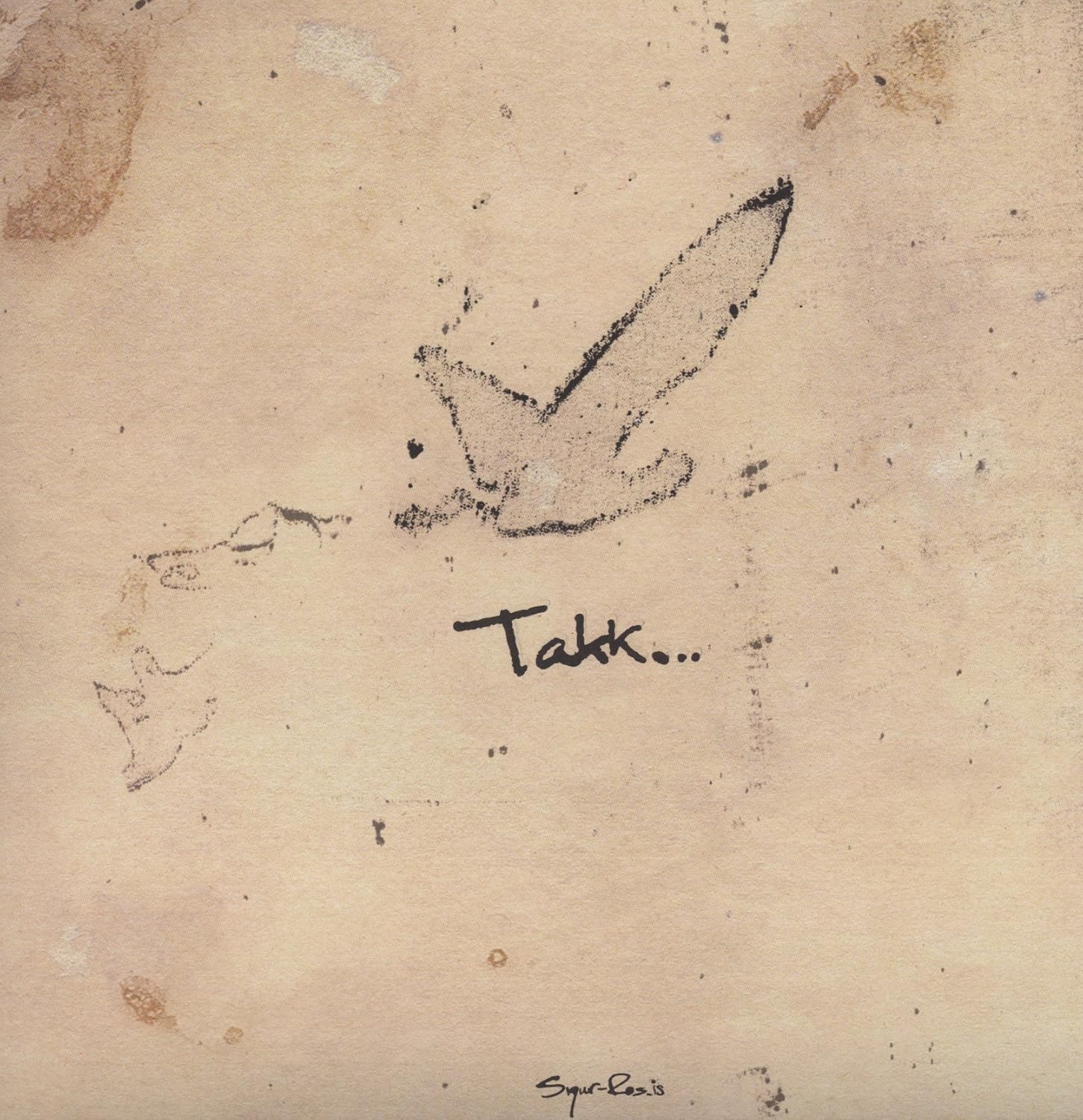
takk...


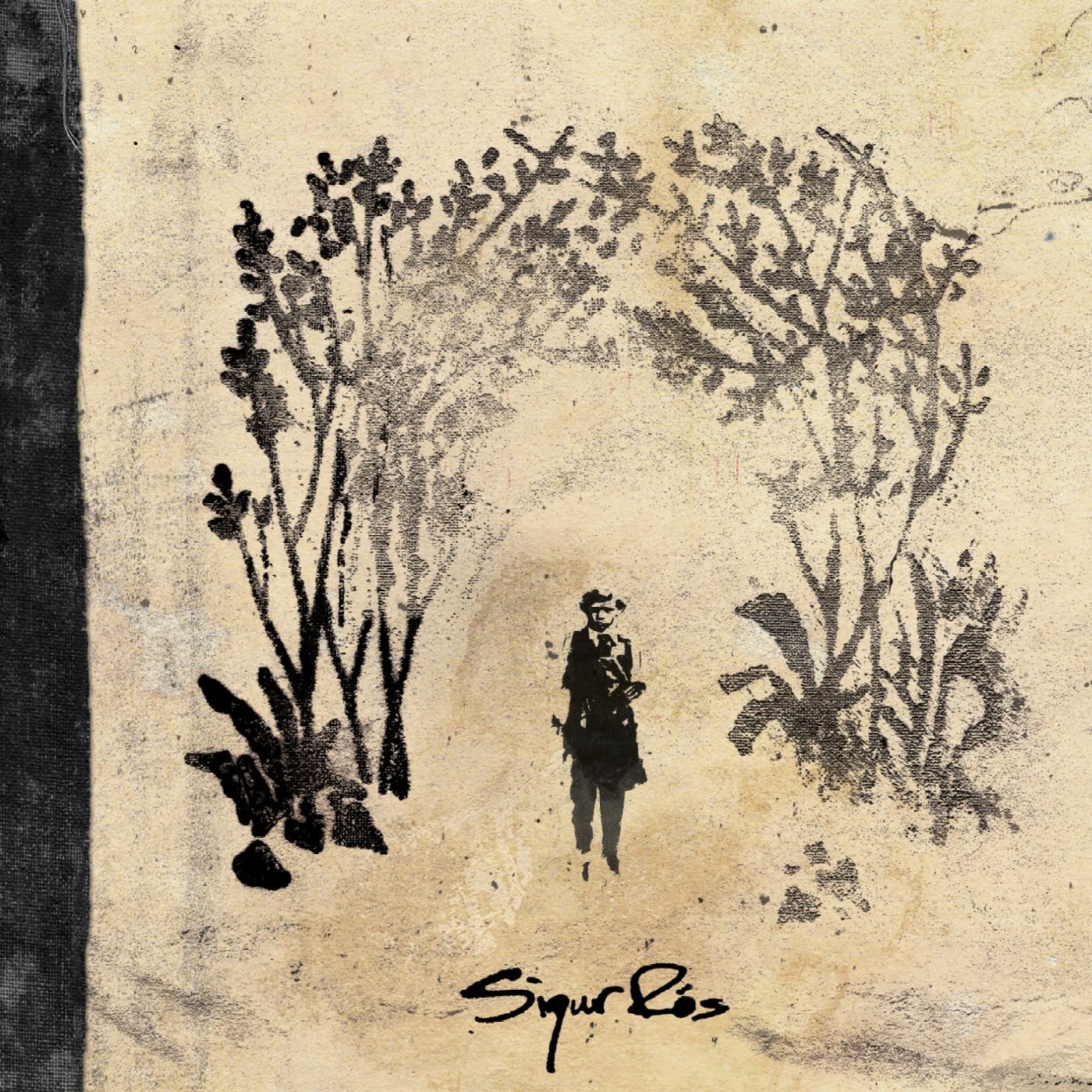
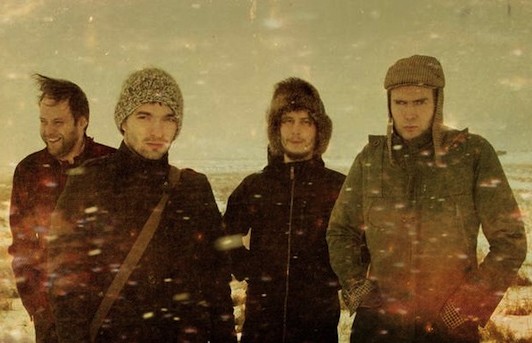
Sigur Rós created glowing galvanic moments out of little adventures in the delicate dynamics and swelling strings of this rapturous requital.  The Icelandic quartet had developed their unique ethereal sound over three albums  ('Von'   in 1997,   'Ágætis Byrjun'  in 1999,  and '( )'  in 2002),   three EP's   (Rímur in 2001,  Sigur 1 / Sigur 9 in 2003, and their composition for Merce Cunningham's Split Sides  Ba Ba Ti Ki Di Do in 2004),  and the instrumental electronic soundtrack to the documentary Hlemmur  in 2002.   


'Takk...' was recorded at their Sundlaugin "swimming pool" studio near Álafoss, in the town of Mosfellsbær.  The sessions featured  Jón Þór Birgisson on vocals and guitar;   Kjartan Sveinsson on keyboards;   Georg Hólm on bass guitar;   and   Orri Páll Dýrason on drums;     with     strings  by   Amiina,  Kristín Lárusdóttir,  Júlía Mogensen,  Stefanía Ólafsdóttir,  Eyjólfur Bjarni Alfreðsson,  Ingrid Karlsdóttir,  Gréta Salóme Stefánsdóttir,  Matthías Stefánsson,  and   Ólöf Júlía Kjartansdóttir;       brass  by    Eiríkur Orri Ólafsson,   Snorri Sigurðarson,  Helgi Hrafn Jónsson,  Samúel Jón Samúelsson,  and  Össur Geirsson;   Frank Aarnink on percussion;   and  Álafosskórinn as the choir on "Hoppípolla".   The band co-produced the album with Ken Thomas.  


Kjartan Sveinsson:  "We're thankful for we've been able to do, and for the appreciation we get. We really love where we are...We didn't set out to do anything. I think it's more heavy-ish and slow...We very rarely try to do anything. It's always just things happen in a way. We're always learning, of course. We did things differently but I'm not sure how to describe it exactly...It always develops. We mess with things until the last moment. So, no, I wouldn't say there's a goal when we start the process...We're just trying to do good music and enjoy it and have fun...We're really bad at practicing. The only time we play together is just when we're writing music. Then of course we play so much when we tour. We would never actually to go to the studio to practice our own songs. That's really boring to us. We should always be writing something new...They're kind of stories, some of them are just a few sentences, and it's all very childlike, fairy tale-y. They're not deep and meaningful lyrics on this album, no! It's more stories, short stories ... We have never been much for concepts even though it sometimes looks like it. Concepts come afterwards. When you look closely at a work it's always easy to find a concept there but we have never approached a project with a predetermined concept in mind. It's not our style, really. Sigur Rós is not a clever band. There are no deep thoughts behind what we are doing...If we don't [agree] we always manage to find a way to work it out. We've played together for so long and know each other inside out...No one is exactly the same. It's like a marriage. You have to nurture the relationship and make comprimises. Otherwise it won't last. This is especially valid for bands who form at a young age. You're always learning new things about behavioural patterns and about the different characters you meet. The difference is that in a marriage there are only two people who have to settle their differences...We've been working on this record for twenty months, which is a normal period of time. For Sigur Rós at least...You never know what will happen. This is our baby. It's exciting. Very exciting."


Georg Hólm:    "It comes as a surprise. It's as if we're constantly starting over. When we were making Ágætis Byrjun that's how it felt. The brackets album was more of an extension. It was a tough period. Now we're fresh again and it feels like we're starting anew. We took a vacation before we started this album and when we came together again it felt like we were all about to burst. Like we had been storing up creativity which was trapped inside us. It was a very pleasant feeling...We play in response to our surroundings. When we begin playing and writing we exaggerate the atmosphere around us. The songs exaggerate our feelings. We never decide on a fixed goal. We don't sit down and play a riff we wrote at home last night...We all agree to have no direction. It's just the four of us playing around, not discussing things we are doing...For us, music is the magic that happens in a moment. If you start dissecting it then you might spoil it. Sometimes you can discover new facets in music by talking in a superficial way about it but as soon as you try to get any deeper than that, you're in trouble. After all, things that are dissected usually need to be dead first."


Jón Þór Birgisson:    "It's been a long process. We've been doing it for two years and toured in between. I'm terribly excited now that it's being released. It will be fun to see how people react to it...Takk is probably richer than the other albums. We're always learning. When we made Von we had to learn how to use the recording equipment because we wanted a certain sound and mood to come forth in the recordings. We also learned a lot from Ken Thomas while recording Ágætis Byrjun. He taught us that music is about a feeling and a mood rather than frequency and other bullshit. The brackets [( )]album was to a certain extent the most difficult. We had been playing the songs for so long and were tired of them when we went into the studio. It's hard to be creative when you're tired. We learned from this and have now gained a lot of important information which I think will benefit us in the future...We've been able to do [as we please] from the start. People often ask me what it's like being signed to a big label and I tell them it's exactly like being signed to a small label. We just get more space. We've been playing for twelve years and have proven ourselves as artists and don't need any supervision anymore. No one is monitoring us. We do everything ourselves: arrange, record, mix, master. We even make the videos ourselves. The label knows they don't have to worry about us so they just don't bother. They help us instead...We are feeling the pressure now though. In addition to all the music we're doing the album cover ourselves and handling the first video through internet correspondence. We handled the prep work and now it's being processed. We've never let go of creative control and let others do things for us. I guess it would be healthy for us to just trust other people. Somtimes the work we put into the band is more of a lifestyle. It's so much fun to be the four of us in a band, playing at concerts and stuff, but there are so many practical things that make it difficult. A lot of energy goes into these practical things. It's laboursome but in the end it pays off to have a grasp the bigger picture...It was fun writing lyrics this time. It's always been quite a challenge for us to express ourselves through words. Somehow music flows more easily. When it comes to words we freeze up. We listened to the songs together and let the music trigger words in us. I think we learned something from this experience. The lyrics are very simple and naive. Moments and small adventures. Nothing too deep...People tend to overinterpret and find meaning in something which isn't remarkable to begin with. It's funny."


'Takk...' reached number thirty in France, twenty-seven in Germany and the US, nineteen in Australia, sixteen in Denmark and the UK, twelve in Sweden, eight in Finland, six in Ireland, four in Italy and Norway, and number one in Iceland.  


http://www.sigur-ros.co.uk/


'Takk...'
full album:


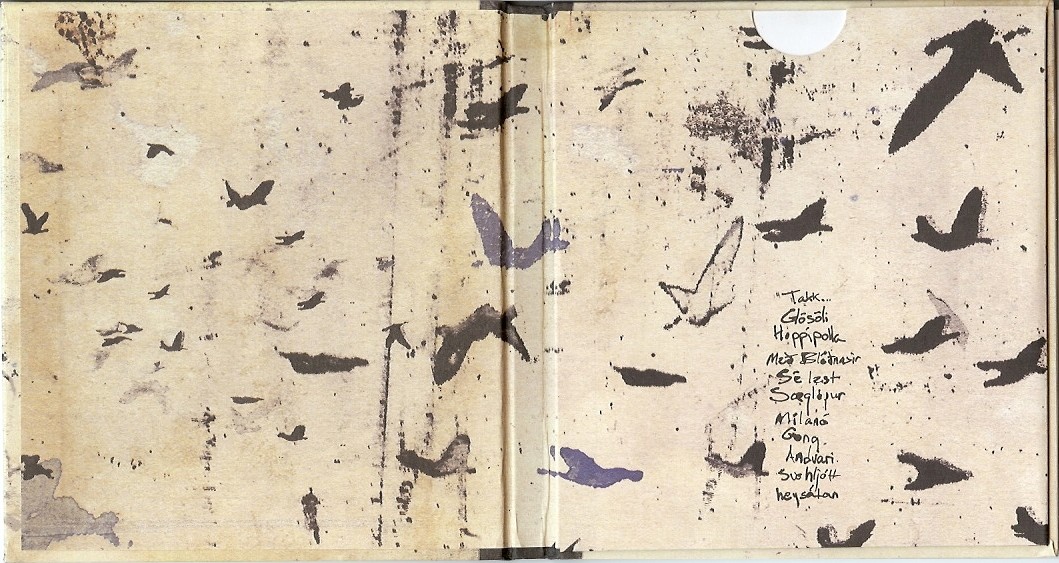
1. Takk... "Thanks..." 00:00
2. Glósóli "Glowing Sole" 1:57
3. Hoppípolla "Hopping into Puddles" 8:12
4. Með blóðnasir "I Have a Nosebleed" 12:40
5. Sé lest "I See a Train" 14:57
6. Sæglópur "Lost at Sea" 23:37
7. Mílanó "Milan" 31:16
8. Gong "Gong" 41:41
9. Andvari "Zephyr" 47:14
10. Svo hljótt"So Quietly" 53:54
11. Heysátan "The Haystack" 1:01:18


Sigur Rós Live in Reykjavík 2005 (Full Set)


Setlist:

0:00 Takk...
2:20 Glósóli
8:47 Ný batterí
19:10 Sæglópur
26:36 Untitled #4 (a.k.a Njósnavélin/The nothing song)
34:55 Gong
40:00 Andvari
46:30 Hoppípolla
51:20 Með blóðnasir
54:10 Sé lest
1:02:55 Olsen Olsen
1:11:25 Viðrar vel til loftárása
1:22:10 Svo hljótt
1:28:50 Heysátan

1:35:50 Hafsól
1:44:40 Untitled #9 (a.k.a. Smáskífa)
1:53:44 Untitled #8 (a.k.a. Popplagið/The pop song)


Thursday, November 12, 2015

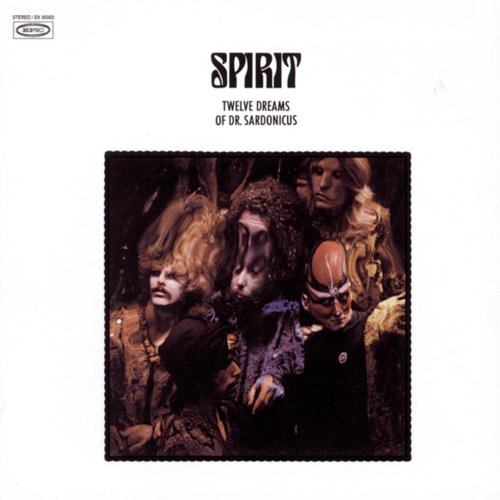
twelve dreams of dr. sardonicus


Spirit had nothing to hide as they went rollin' and flowin' through an animal zoo of styles until something went wrong in this satirical psychedelic pyrrhic perfection .   In two years, the group had put out three albums  (Spirit  in 1968  and  The Family That Plays Together  and  Clear  in 1969)  and recorded the soundtrack to Jacques Demy's film  Model Shop  (which would remain unreleased for decades) before producing the single "1984" on their own.  It would be their final recording for Lou Adler's Ode Records.

Randy California would express the growing dissension between himself and Jay Ferguson:   “Jimi [Hendrix] instilled freedom and spontaneity in me – be loose and electric. But Jay always wanted tight, controlled sets. We were pitching for Woodstock, but since we couldn’t agree on anything it fell through. That was the beginning of the end for the original band.”

Jay Ferguson says:   "It started to splinter that point. I remember up 'til then, Lou Adler had been the rallying point-he'd settle the arguments- and suddenly he was gone and we were by ourselves and everything kinda came out. Randy wanted his things his way and I wanted my things my way. There were quite a lot of fights, but there was co-operation to the point where we got the record done and there were a lot of good ideas. I remember Randy came up with some great ideas for my songs and I think I tried to help his, too."

The group signed with Epic Records and got an advance to work on their next project; but they didn't have a producer.  Neil Young suggested David Briggs.  Mark Andes remembers Briggs as “a gruff, tough guy with shades and a black hat who hung with a biker-type crowd. Randy loved him because he gave him room to express himself, but it felt like divide and conquer. Briggs was also the ‘sleep with your girlfriend’ type. We went on the road and he shagged my girlfriend. He was a complete rogue. I’m like, ‘The producer’s fucking my girl?’ Did it bother me? Yes it did!...He was unobtrusive in the studio, but he didn’t have any vision.  I thought he over-produced us. He had intuition, I guess. Now I agree – yeah, Sardonicus is Spirit’s masterwork. At the time, I didn’t.”

Produced by David Briggs with project director Adam Block, the sessions featured  Jay Ferguson on vocals, percussion, and keyboards;     Randy California on bass, guitar, and vocals;   John Locke on art direction, piano, keyboards, and moog synthesizer;   Ed Cassidy on drums and percussion;   and   Mark Andes on bass and vocals.   David Blumberg did the horn arrangements and Vic Anesini did the mastering.


Ferguson reveals:   "I brought the name of the album to band, I guess I was responsible. There's a grade 'D' movie series in the US, just a very cheap shot, called "Dr. Sardonicus" - the Amazing Doctor Sardonicus - he lived in a basement and his thing was that his face had frozen to this ghostly grin, this horrifying grin. Anyway, I liked that name and when we were recording the album, somehow it turned into "The Twelve Dreams..." because I wanted to conceptualise the record in the title without making it too rigid...I remember bringing it out and everybody thinking it was funny, and it never left, it kept sticking around 'til we said 'That's a good name, let's use it.' Then we went to New York and found this crazy photographer who'd just come back from whirling like a Dervish in Tunisia for six months and we shot the cover shots and soon it became very dreamlike...we did wanna make a concept album (laughs), but the name a bit of a cheat because it hints the record-buyer that 'Here's a concept album,' and you can sort of follow it in that way because the songs go into one another, but there's no great nessage in it."

California would consider:    "That was involved over a long period of time:   a lot of rehersals. and a lot of songs were re-written, written in the studio too, while we were doing it...That's the first album that we went in the studio and basically produced ourselves with an engineer...All the other albums, we'd go in, cut the tracks in two weeks, come back three weeks later:  they'd add their strings on and horns and stuff on the album and say 'here's your album.'   But this album we sat there and did all the vocal parts.   We made the decisions:  Let's do this again.  Let's do that again.   We sat there through all the mixing, had our hands in the pan pots, making the things go from side to side (laughs)...That was the first album that we had enough studio knowledge to really contribute. " 


Ferguson:   "There weren't a lot of arguments as much as people stopped listening to other peoples ideas For instance, When we we did "Nature's way", Randy really didn't want to hear about any of my ideas for that song. He had a set pattern - and it turned out he was right 'cause that's a great cut. But it was insulting to me, I felt left out, and then it was probably the same way with him - we began losing trust in each other. It was just a bad time. He and I were strong personalities, both creative, and both overly sensitive about that - and probably acting a lot like children." 


Ferguson:   "So we finished the album, the album came out, did terribly in the charts, looked like our biggest burn yet, went on tour, did some dates, it seemed like excitement for the band was waning, had some giant fights on the road - one in particular over a tour of Japan which Randy cancelled just because he didn't want go, on the eve of departure. It just seemed like it wasn't a sane career building at this point. The album didn't go gold until three or four years after we'd split up, but the sales picked up and picked up and refused to die and they're still selling. And it's interesting, because if "Sardonicus" had come out to acclaim and if we'd done a successful tour, and the album had gone gold right away, then perhaps we might not have broken up. We might have said, 'It's worth sticking it out.' But when you looked at the situation, which didn't show much promise, then looked at the fights we were going through, there wasn't a lot of incentive to stay together."

'Twelve Dreams of Dr. Sardonicus' reached number sixty-three in the US and twenty-nine in the UK.  California looked back on the negative reviews for the album:    "It had an emotional effect on me, because we had spent six months on the album--it was our baby. Critics--you know how they are--they have to criticize. It hurt me. It was very depressing. Back then, Rolling Stone was a big deal, and since they were in San Francisco, they didn't like any bands from L. A. They said L. A. bands are "plastic," and L. A. is smoggy all the time and it stinks--that kind of stuff. But when I wrote "Nature's Way," I was sitting outside at a hotel right on the Bay in San Francisco, and this huge smog bank came drifting over--that's why I wrote that song."


Ferguson:    “I saw that album as a quantum leap.  We made it at Studio B Sound City, and the talk was of making our own Ogdens’ Nut Gone Flake, or a Sgt. Pepper thing. Nobody else thought it that special. It got no airplay, terrible sales and shocking reviews, apart from in England where you thought it was the highlight of our career. That’s where it gained the reputation that eventually saw it go gold many years later. It was our pinnacle...It was expensive enough.  A real Frankenstein thing. We had the ability to be like a Grateful Dead jamming group but I insisted on some structure. Randy blew up on that record as a writer. He was magnificent. It’s no wonder that we’ll always be known for Sardonicus.”


http://www.randycaliforniaandspirit.com/


"Nature's Way"


"When I Touch You"


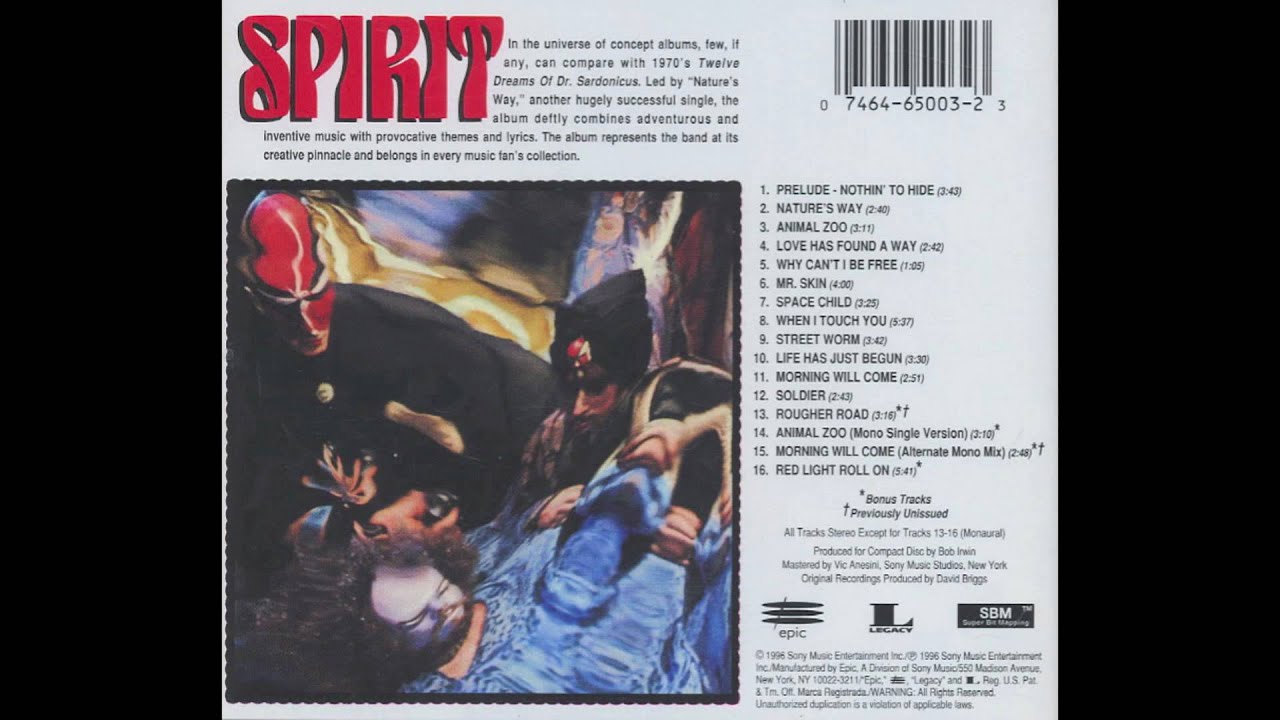
'Twelve Dreams of Dr. Sardonicus'

full album:


All songs written by Randy California except noted:

Side one
1.Prelude -- Nothin' to Hide-00:00
2.Nature's Way-03:42
3.Animal Zoo-06:22 (Ferguson)
4. Love Has Found a Way-09:33 (California, Locke)
5.Why Can't I Be Free?-12:15
6.Mr. Skin-13:20 (Ferguson)
Side two
7.Space Child-17:21 (Locke)
8.When I Touch You-20:46 (Ferguson)
9.Street Worm-26:33 (Ferguson)
10.Life Has Just Begun-30:06
11.Morning Will Come-33:36
12.Soldier-36:26
Bonus Tracks
13 Rougher Road-39:19
14 Animal Zoo (Mono Single Version) -42:37
15 Morning Will Come (Alternate Mono Mix)-45:47

16 Red Light Roll On -48:38